Donetsk region
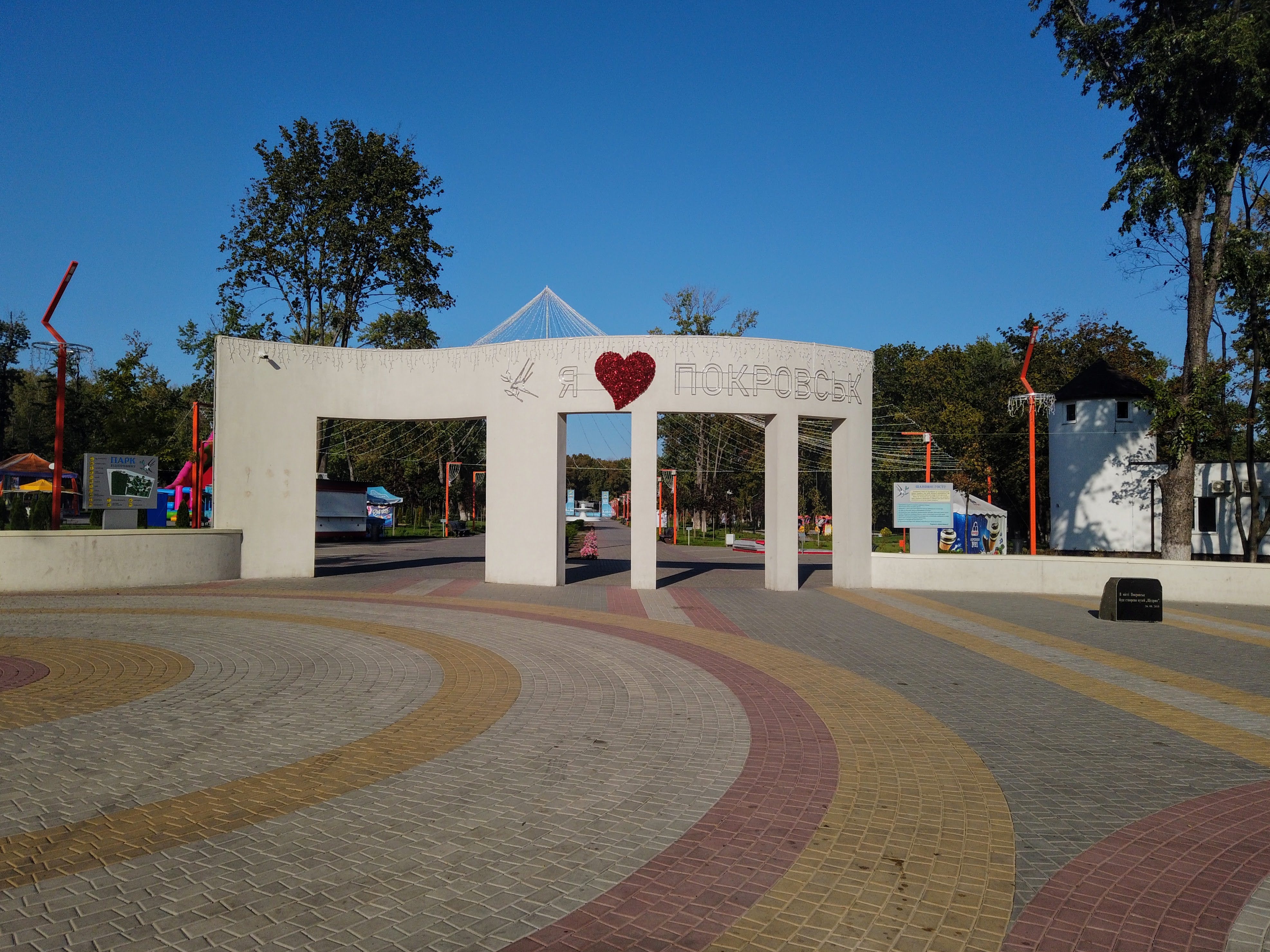
Pokrovsk is the administrative center of the Pokrovsk urban territorial community in the Donetsk region, which consists of 41 settlements.
General Information
Until the critical escalation of the security situation, Pokrovsk served as a key evacuation hub where residents of the most dangerous areas of Donetsk region could receive temporary shelter, medical care, and psychological support.
In 2024, after russian armed forces captured Avdiivka, the frontline began moving closer to the city, and by late summer russian troops had approached its outskirts. Ukraine redeployed reserves, reinforced its defenses, and prevented the rapid fall of the agglomeration. Active fighting in this sector has been ongoing for a year and a half.
The situation reached its peak in autumn 2025, when russian forces managed to break through defenses in the southern part of the Pokrovsk–Myrnohrad agglomeration and enter residential neighborhoods. As of mid-December 2025, approximately 16 square kilometers of Pokrovsk remained under the control of Ukraine’s Defense Forces. As of early February 2026, the Defense Forces continue to hold the northern outskirts of the city.
As of January 1, 2022, the permanent population of the Pokrovsk urban territorial community was 81,029 people, including 60,127 in Pokrovsk itself. According to the Pokrovsk City Military Administration, as of December 1, 2025, the population had decreased to 1,856 people, including 1,253 in the city.
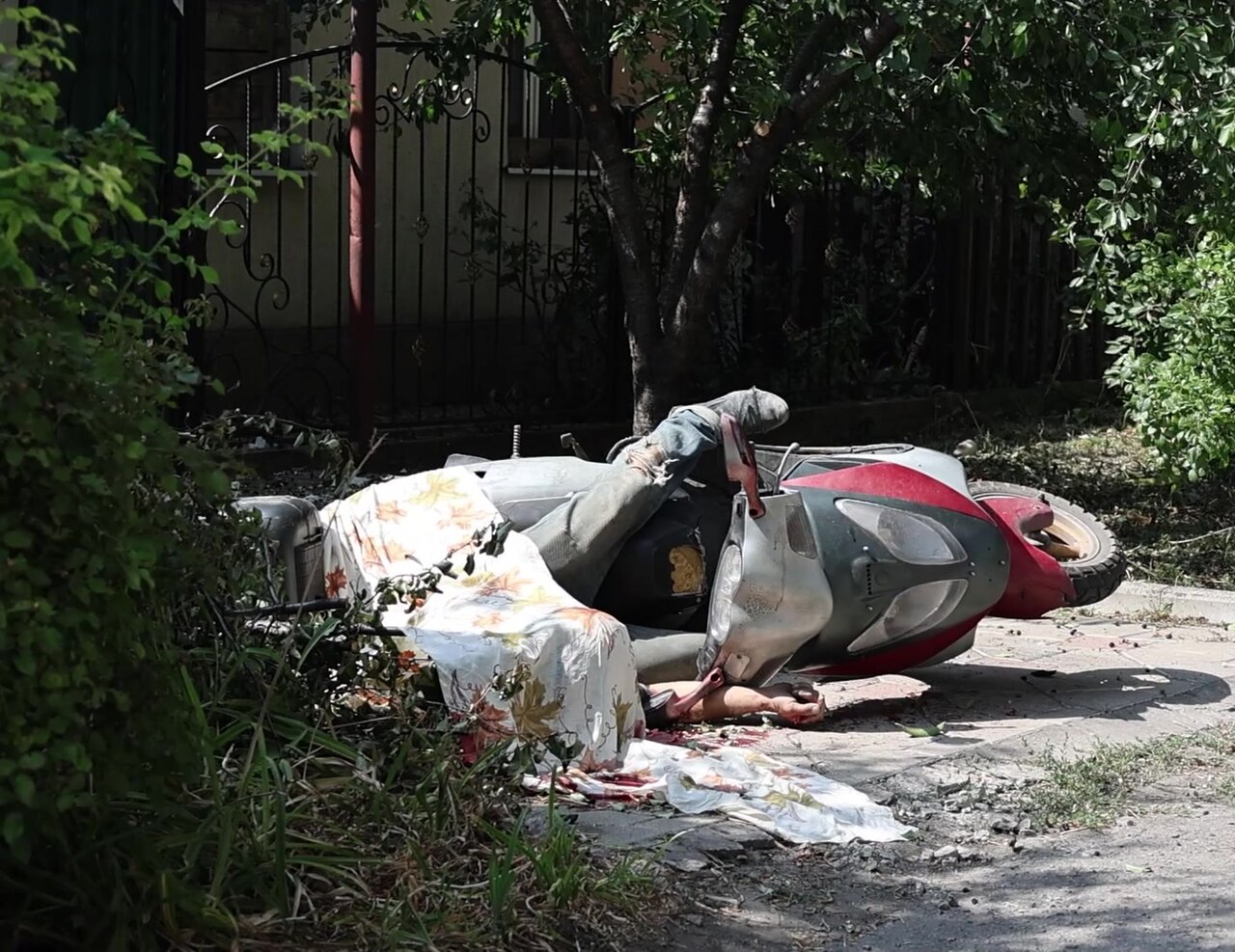
Destruction
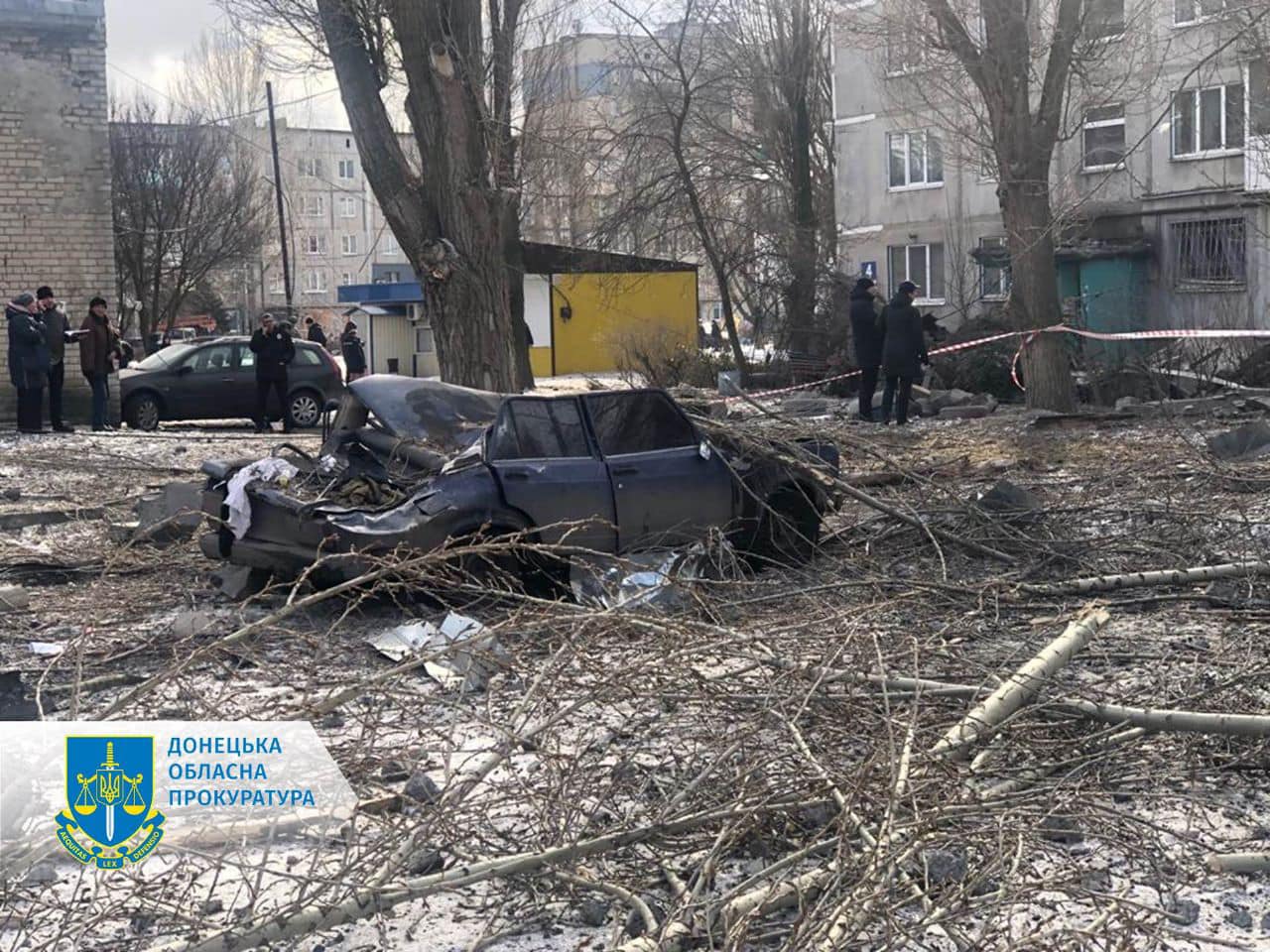
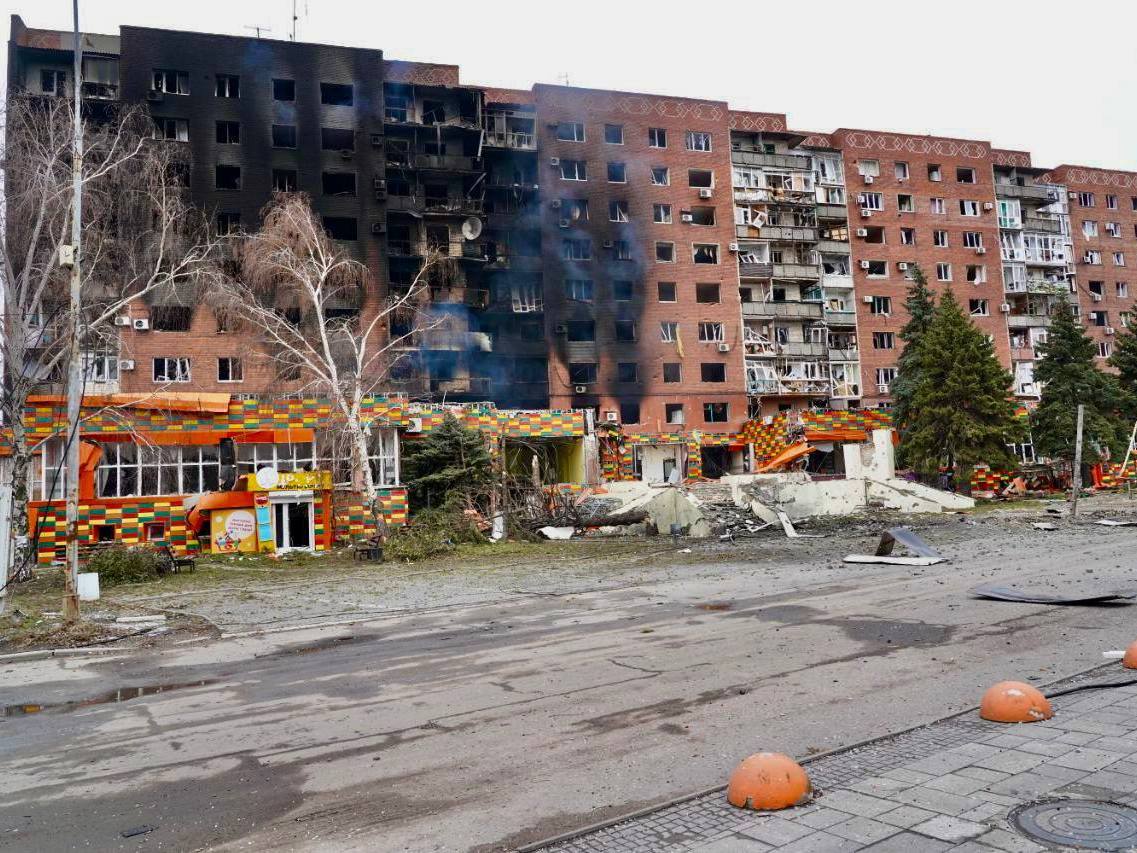
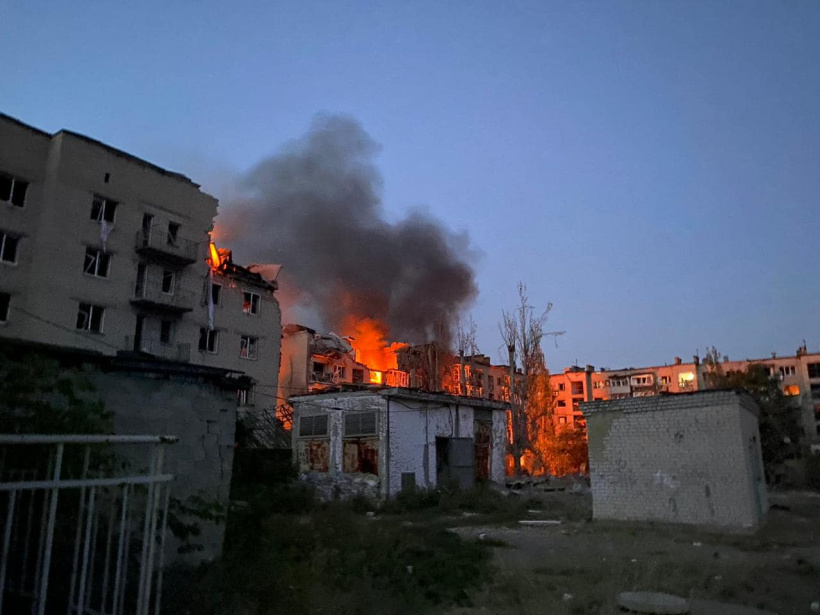
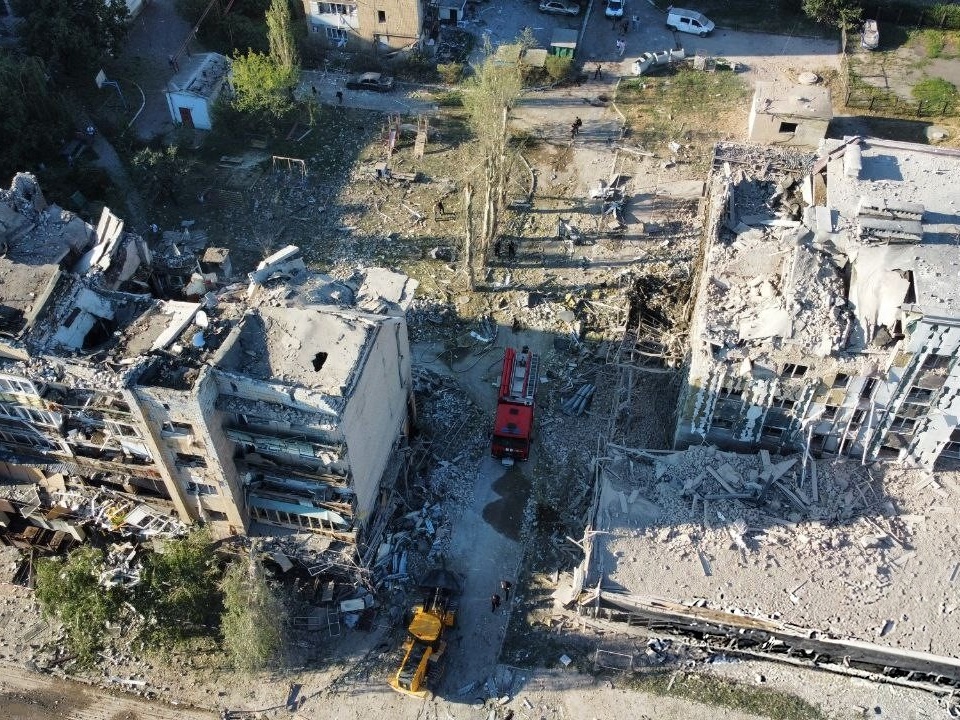
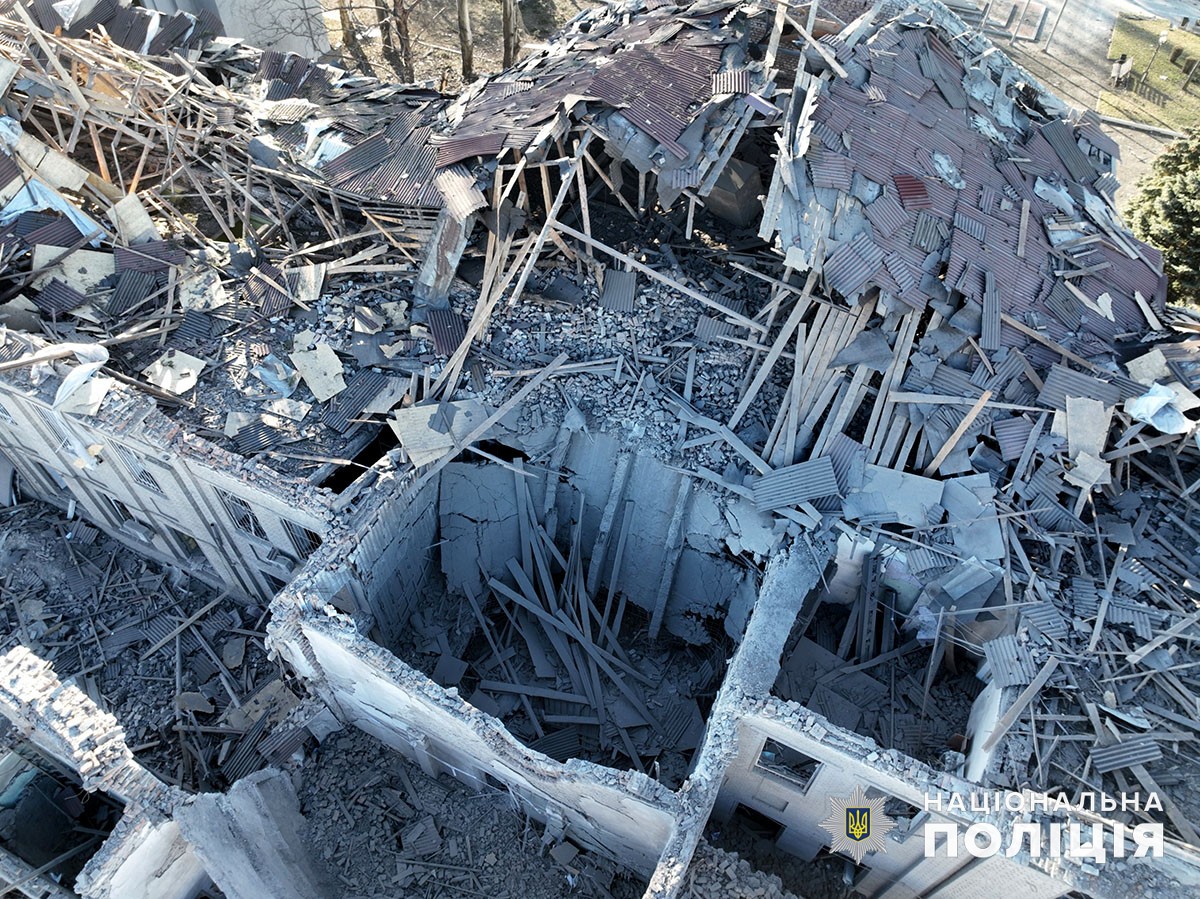
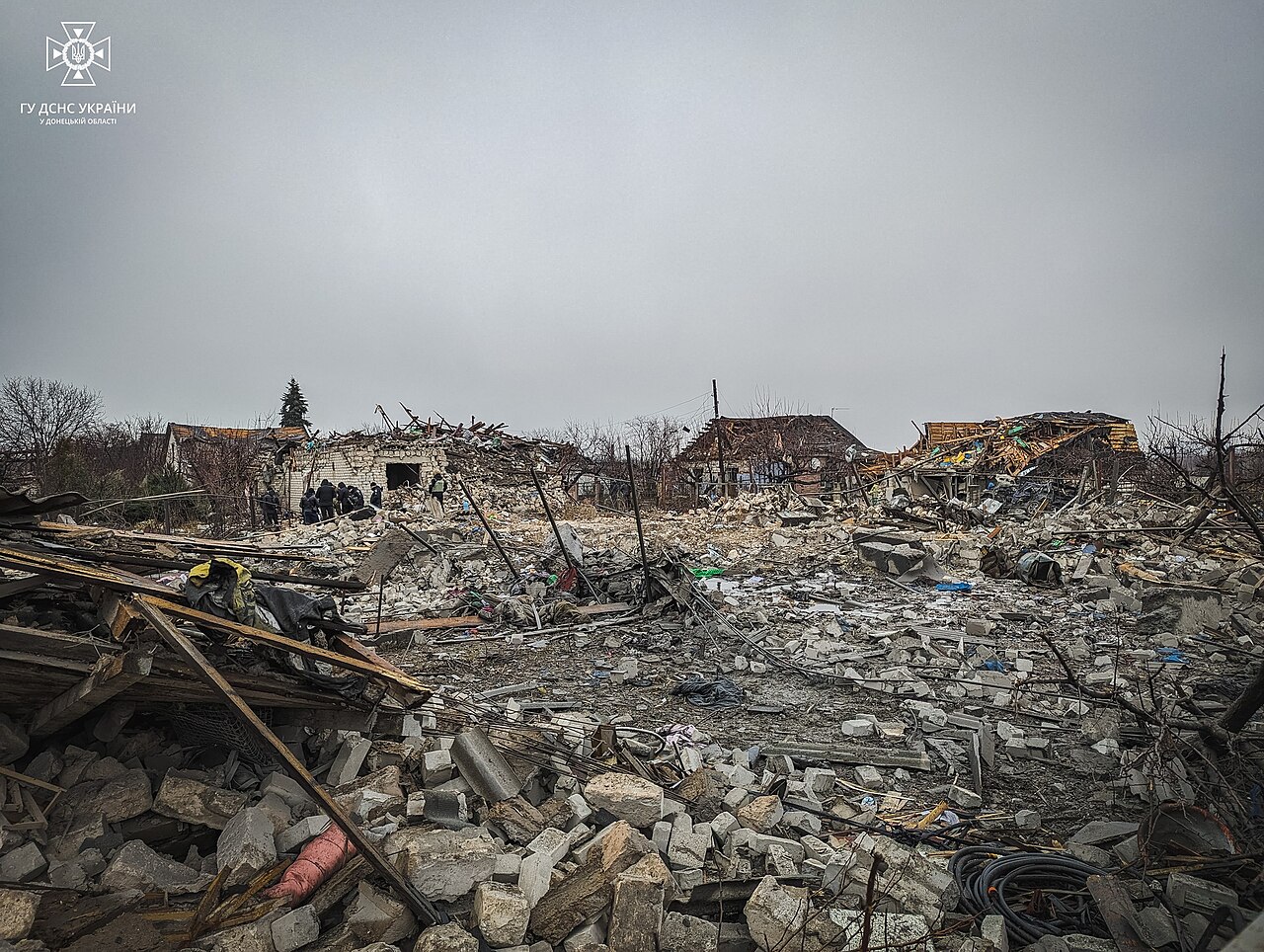
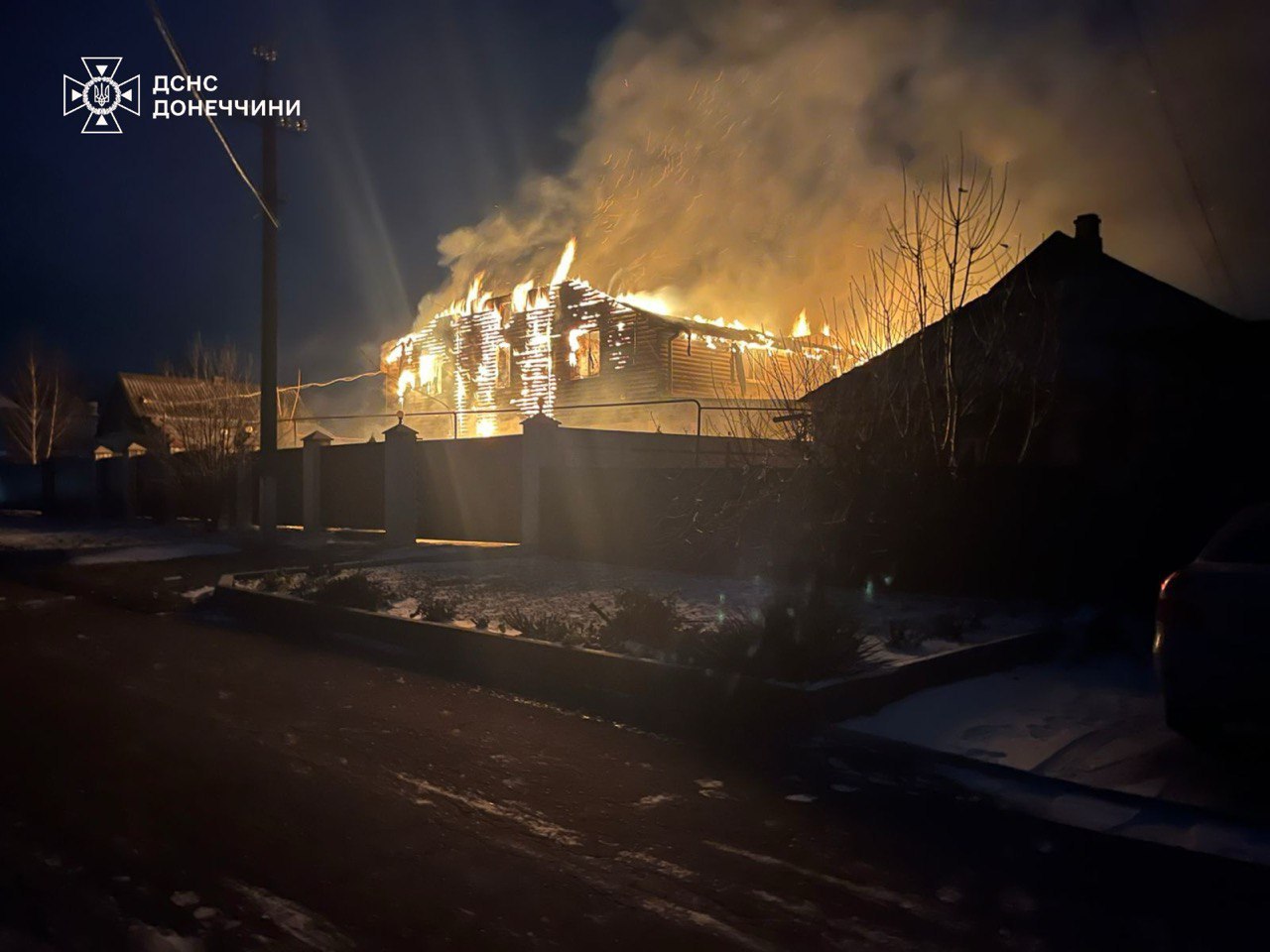
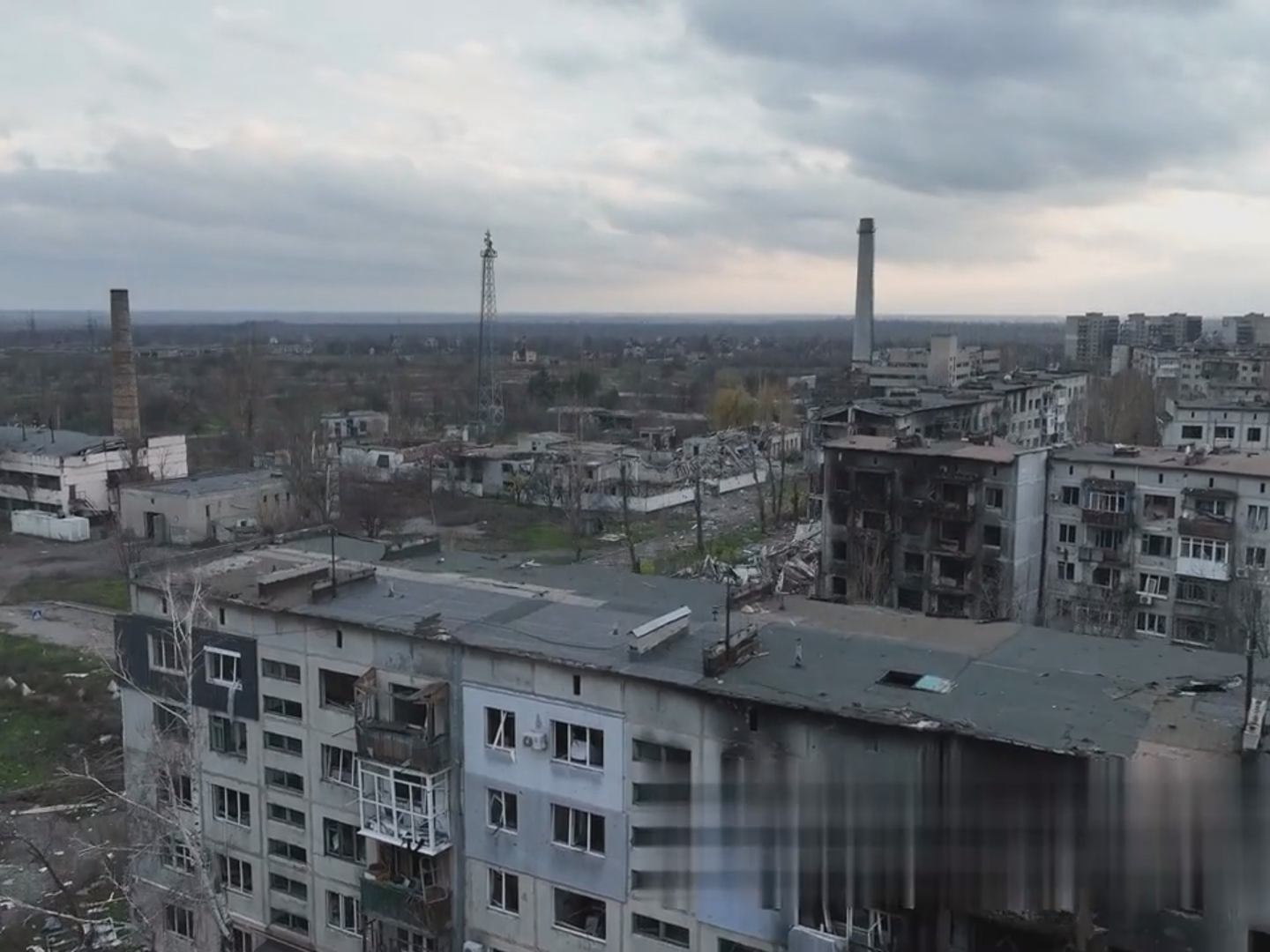
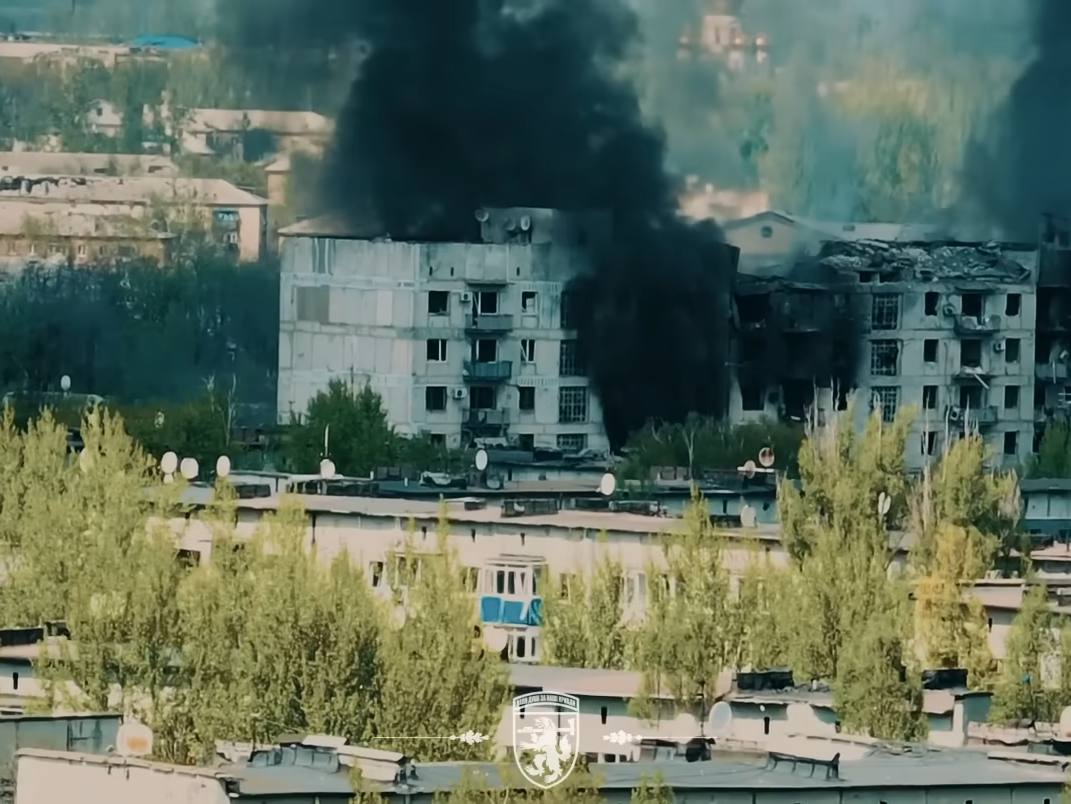
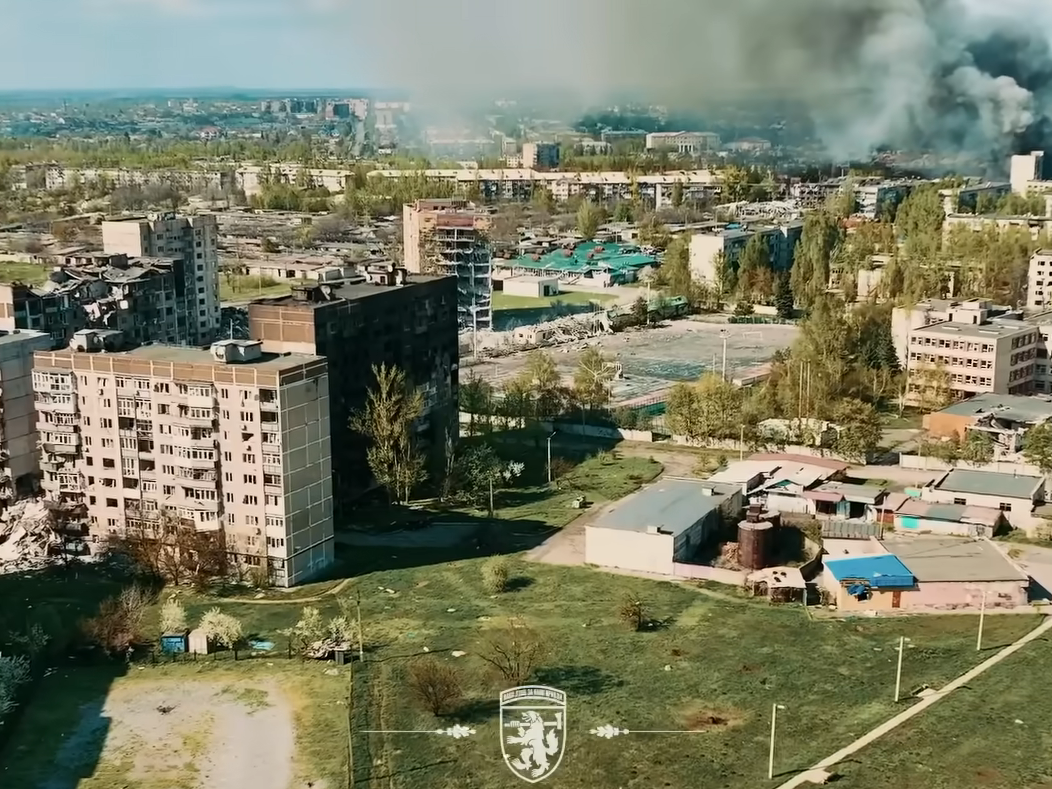
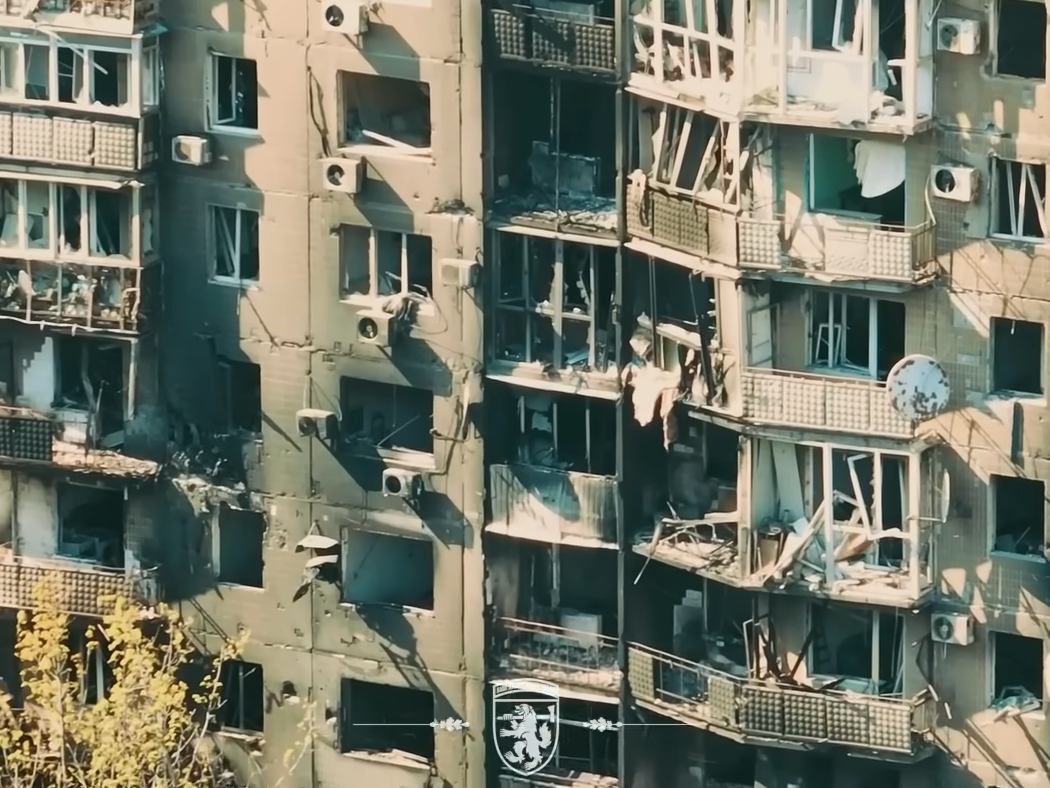
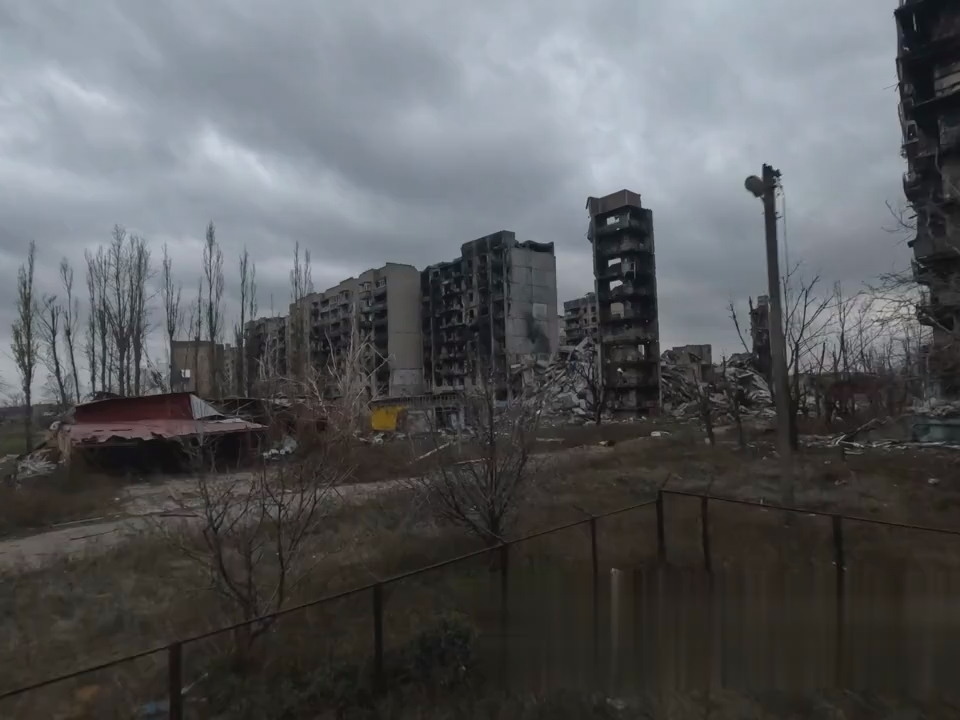
Pokrovsk is 90% destroyed. As early as April 2025, the Pokrovsk City Military Administration stated that almost no undamaged buildings remained in the city.
The city administration has documented the complete destruction of more than 10% of the housing stock (2,800 apartments out of 22,000). These figures are not final and do not include partially destroyed multi-story residential buildings.
Since December 27, 2024, the city has had no electricity.
Residents draw water from wells. There are no shops (the last one closed in August 2025). Gas, electricity, and heating are unavailable. Ukrposhta and Nova Poshta branches closed in early 2025.
Evacuation from the city is currently impossible.
Before the start of the full-scale war, Pokrovsk had nine medical institutions, ten cultural institutions, and five higher and vocational education institutions.
In early February, due to the advancing frontline, the company Metinvest shut down the Pokrovske Mine Administration, the city’s main coal enterprise. Other key enterprises have also been damaged, including the Pokrovsk Dinasy Plant, which produced refractory materials and products, the Pokrovsk railcar depot, the locomotive depot, and others.
War Crimes
Even before urban fighting began, russian forces had started actively hunting civilians in the city with FPV drones, resulting in civilian casualties almost daily.
On December 15, 2023, during a russian shelling from a Smerch missile, a shell hit a five-story building: three people were killed and 11 were injured and traumatized.
After russian troops entered the urban area, reports began to emerge of killings of civilians.
On the night of December 21, 2025, seven civilians who were hiding in the basement of a residential building were reportedly executed. Two soldiers of the russian army demanded alcohol from them. When they were told there was none, the occupiers opened fire, killing a father and his son. The soldiers then went down to the basement and shot the remaining people. Among the victims was an entire family: a married couple, their son, and the woman’s mother. Only one wounded survivor managed to stay alive by pretending to be dead.
On December 26, testimony also emerged from a Pokrovsk resident who stated that on the night of December 22–23, 2025, three drunken russian servicemen broke into her home. They first abused her husband for a long time, beat him, then shot him in the leg and killed him. The woman was raped in turn. They also attempted to kill her mother-in-law, but she managed to escape.
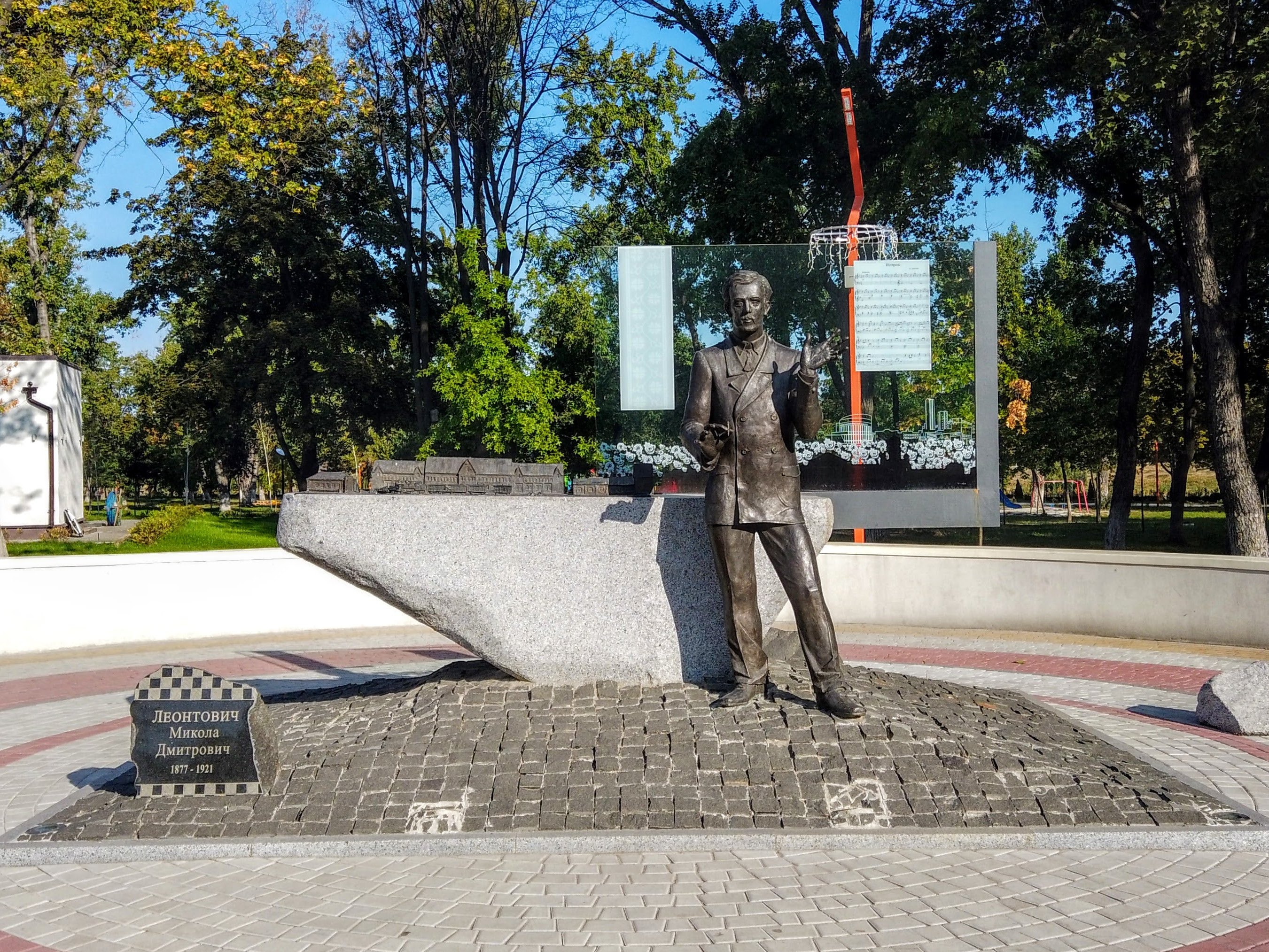
Ukrainian composer Mykola Leontovych, author of the world-famous Shchedryk, once lived and wrote in Pokrovsk. Shortly before the full-scale invasion, local authorities planned to create a separate museum in the building of the Railway Music College, where Leontovych taught more than 100 years ago. In the summer of 2024, the monument and the local museum, which had a separate exhibition dedicated to the composer, were evacuated from the city, among others.